

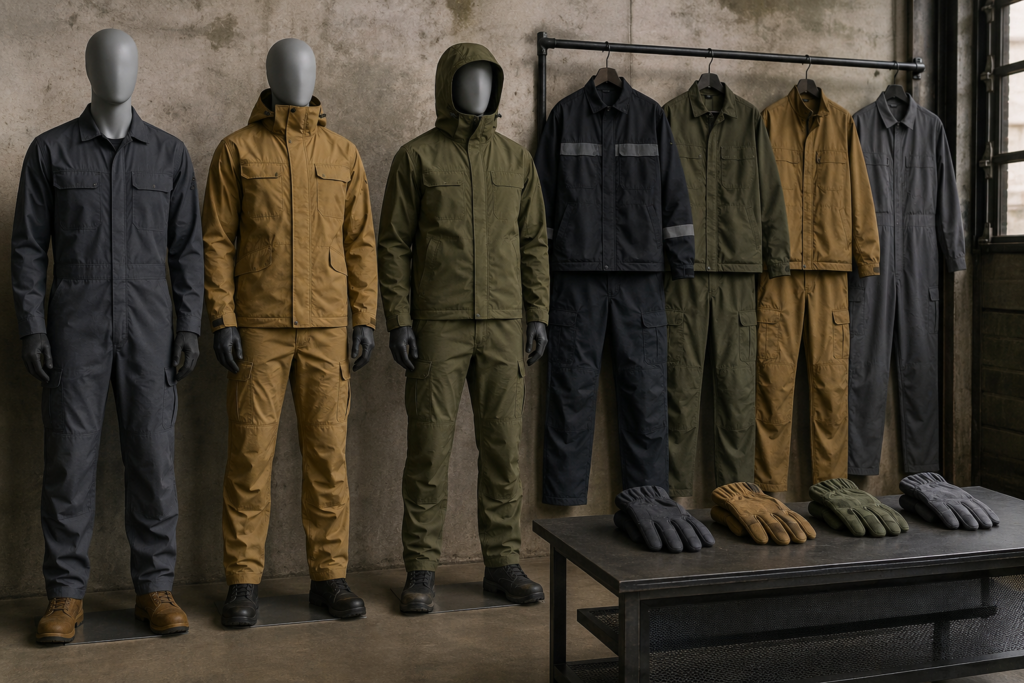
Specialized Chemical Protective Equipment provides enhanced protection for personnel working around hazardous liquids, vapours, gases, aerosols and contaminated materials. Complete solutions can combine protective suits, respiratory equipment, gloves, boots, face protection and supporting accessories according to the identified substance and exposure conditions.
Depending on the hazard assessment, available garments can include limited-use coveralls, splash-protective suits, gas-tight encapsulating suits and reusable chemical-resistant clothing. Different fabrics, barrier laminates, seam constructions and closure systems provide varying levels of resistance to permeation, penetration and liquid or vapour exposure.
Respiratory protection may include full-face respirators, powered air-purifying respirators or supplied-air and self-contained breathing systems. Selection depends on contaminant identity and concentration, oxygen level and whether the environment may be immediately dangerous to life or health.
Chemical-resistant gloves and boots are available in different materials for compatibility with specific substances. Integrated suits can incorporate attached gloves, socks or boots, sealed zippers, replaceable visors and ventilation or cooling connections.
Typical products and features include:
- Chemical-resistant coveralls
- Liquid-splash protective suits
- Gas-tight encapsulating suits
- Limited-use and reusable configurations
- Full-face respiratory protection
- Powered air-purifying systems
- Supplied-air and breathing-apparatus compatibility
- Chemical-resistant gloves
- Protective boots and overboots
- Integrated hoods, visors and face seals
- Sealed seams and protected closures
- Cooling and ventilation accessories
- Chemical detection and monitoring equipment
- Decontamination supplies and containment bags
- Protective storage and transport cases
Chemical protective equipment must be selected through a substance-specific risk assessment considering chemical compatibility, concentration, exposure route, oxygen level, temperature and required protection factor. Resistance data and applicable certifications should be verified for the complete ensemble, not only individual components. Personnel require appropriate training, fit testing, inspection, decontamination procedures and medical clearance before operating in hazardous-material environments.